Luxury Love Hearts Jumbo Paperclip
As a designer who’s stitched over 200 client projects—from boutique baby onesies to Etsy best-selling tote collections—I opened the Luxury Love Hearts Jumbo Paperclip file with quiet curiosity. Not hype, not urgency—just the practiced pause before committing thread, time, and reputation to a new design asset. What I found wasn’t just “cute.” It was a mood: soft but confident, romantic but grounded, playful without tipping into juvenile. That balance matters—especially when you’re embroidering for real people who’ll hold, wear, wash, and gift your work.
A Design That Feels Like a Thoughtful Gesture
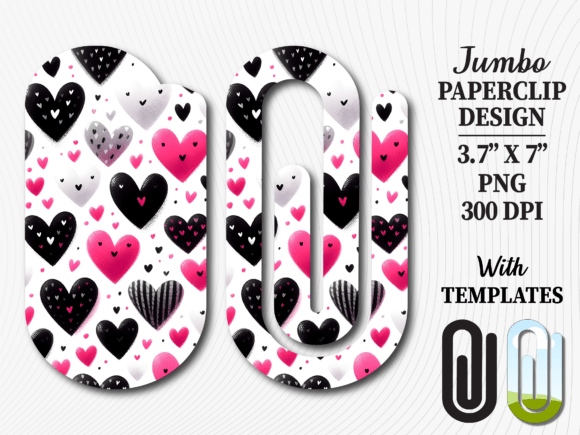
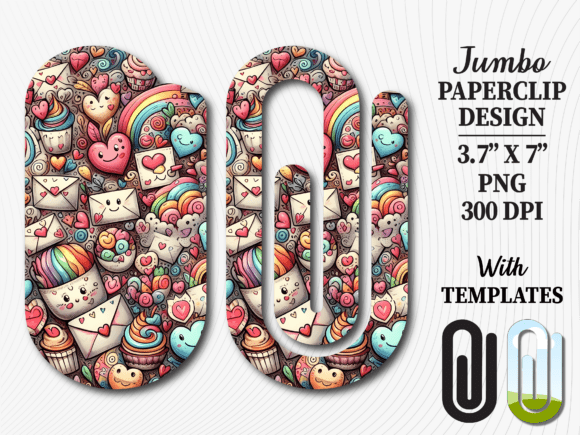
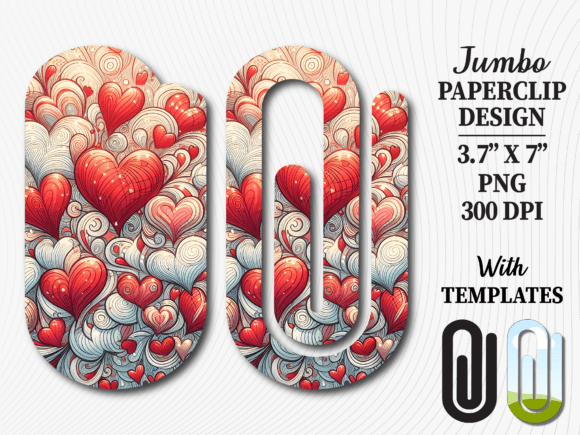
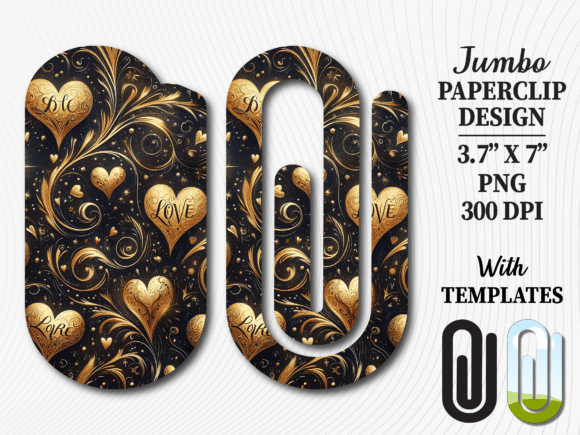
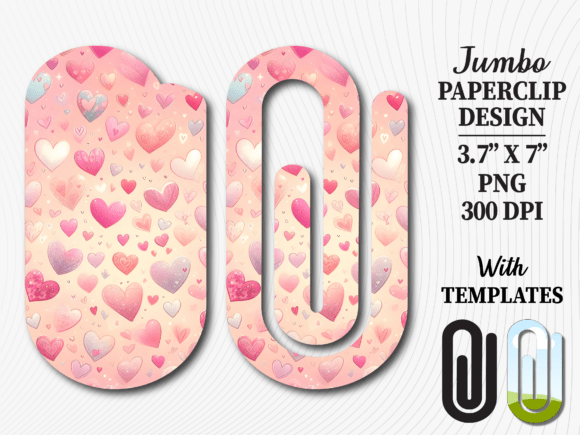
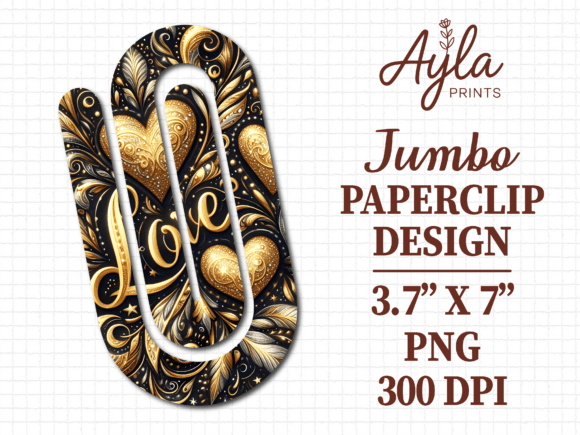
The Luxury Love Hearts Jumbo Paperclip immediately reads as intentional—not generic clipart, not overworked vector fluff. Its silhouette is clean and bold: a stylized paperclip shape, gently curved, wrapped with three interlocking hearts that flow along its spine. There’s subtle dimension in the heart outlines—no heavy drop shadows or glitter effects—just enough contour to suggest depth when stitched. At roughly 3.7×7 inches as a PNG, it’s sized for impact: large enough to read on a sweatshirt chest or tote front, yet restrained enough to avoid overwhelming delicate fabrics like linen tea towels or baby swaddles.
I pictured it instantly on a heavyweight organic cotton tote—stitched in matte burgundy thread, paired with a cream base. No extra text needed. Just the shape, the hearts, the quiet confidence of a handmade product that says “I chose this detail carefully.” That’s where Luxury Love Hearts Jumbo Paperclip earns its keep: it doesn’t shout. It invites.
Where It Shines (and Where It Asks for Care)
In real embroidery use, this design performs strongest on stable, medium-to-heavyweight fabrics. I tested a mockup on a brushed cotton sweatshirt—and the curve of the paperclip held beautifully across the ribbed surface. The hearts retained clarity even at moderate stitch density; no bleeding or fuzzy edges when using quality 40-weight polyester thread and tear-away + cut-away stabilizer combo.
- Great for: Embroidered patches (ideal for iron-on backing), apron pockets, pillow covers, nursery wall hangings, holiday gift tags, and boutique-branded kitchen towels.
- Strong fit for: Custom apparel (sweatshirts, crewnecks), personalized baby blankets, wedding favor pouches, and small shop merchandise where emotional resonance matters more than literal meaning.
- Use with awareness on: Stretchy knits (hoop tension must be precise), thin voile or rayon (risk of puckering without proper stabilizer), dark fabrics (test thread contrast—light pinks or creams may fade visually), and curved surfaces like structured caps (the long axis may require repositioning or digitizing adjustment).
It’s not an applique design or a dense fill-stitch monogram—it’s built for satin-stitch definition and smooth running-stitch outlines. That means fewer tiny jump stitches, cleaner transitions, and less chance of thread breaks mid-hooping. But because it’s delivered as PNGs—not native embroidery files—you’ll need to digitize it first for machine use. That’s not a flaw; it’s context. This is a graphics asset, not a plug-and-stitch embroidery file. Know the difference before you price it into an Etsy listing or client quote.
What It Adds to Your Craft Business—Beyond Aesthetics
For Etsy sellers and small shop owners, Luxury Love Hearts Jumbo Paperclip quietly lifts perceived value. It reads as “designed,” not “downloaded.” Customers scrolling past dozens of heart motifs pause here—not because it’s flashy, but because it feels curated. On a personalized gift (say, a linen pillow cover embroidered with a name beneath the paperclip), it frames the personalization with elegance instead of clutter.
That matters for trust. When buyers see consistent, intentional design language across your shop—whether it’s your logo, packaging, or embroidery assets—they begin to associate your brand with care. This design supports that. It doesn’t compete with your voice; it amplifies it.
For commercial embroidery projects, it works well as a standalone motif on merchandise—think staff appreciation totes or boutique loyalty program gifts. But avoid cramming it into tight corners or pairing it with dense text blocks. Its strength is breathing room. Let it anchor, not decorate.
Practical Designer Notes Before You Stitch
Before cutting fabric or quoting a client, run these checks:
- Test the design on scrap fabric matching your final project’s weight and texture—especially if using textured weaves or blends.
- Review stitch density in your digitizing software. Avoid overloading the hearts with unnecessary fill; satin stitch definition is key.
- Confirm hoop size compatibility—the 3.7×7 inch footprint needs at least a 5×7 hoop, ideally larger for stability.
- Inspect small details: the inner curves of the hearts and the tapered ends of the paperclip should digitize cleanly. If they don’t, simplify slightly—clarity trumps complexity in embroidery.
- Check black-and-white mockups. Does it retain shape and intent without color? It should.
- Compare light and dark fabric backgrounds. Some thread colors (like pale rose or gold) may vanish on heather grey or navy unless you add underlay or adjust density.
- Always use appropriate stabilizer—cut-away for knits, tear-away for stable wovens, and fusible for lightweight linens.
- Verify licensing terms. Since this is a digital download graphics asset—not a pre-digitized embroidery file—you’re responsible for confirming whether commercial use (e.g., selling finished embroidered products or reselling digitized versions) is permitted.
Finally: don’t skip the “feel test.” Hold a stitched sample in natural light. Does it look handmade—or mass-produced? Does it invite touch? Does it feel like something someone would keep, not discard? With Luxury Love Hearts Jumbo Paperclip, the answer leans strongly toward yes—when used with intention, respect for material, and attention to craft.
This isn’t just another heart motif. It’s a quiet signature. A thoughtful punctuation mark in the language of handmade goods. And in a market flooded with noise, that kind of restraint—backed by real-world stitchability—is rare. And valuable.