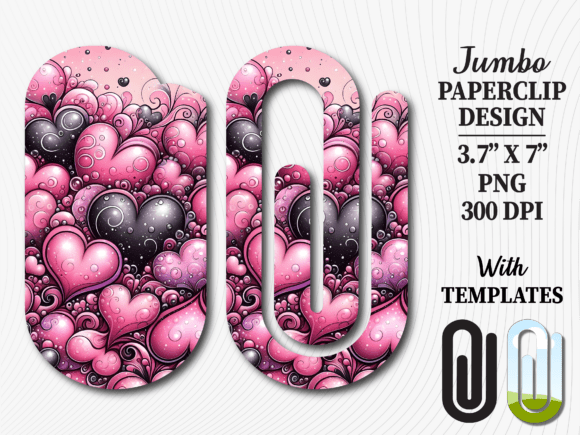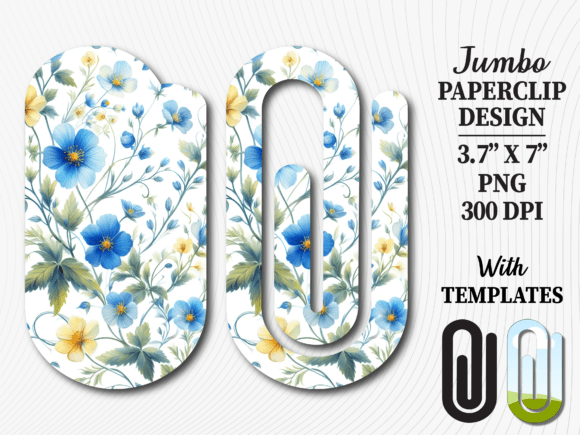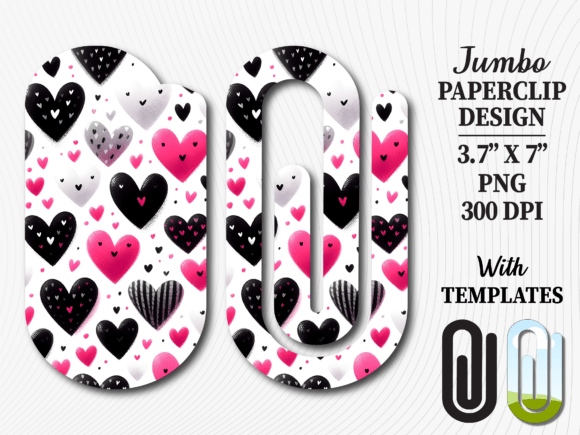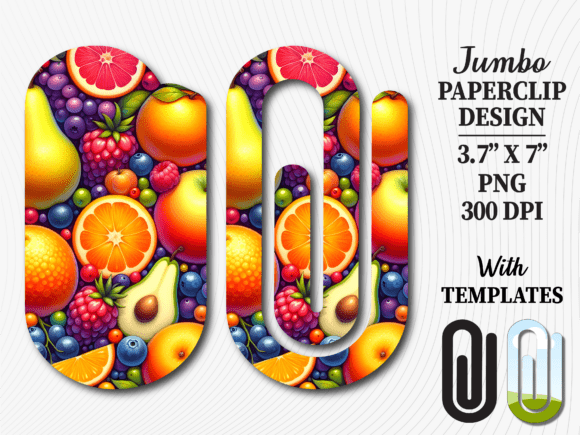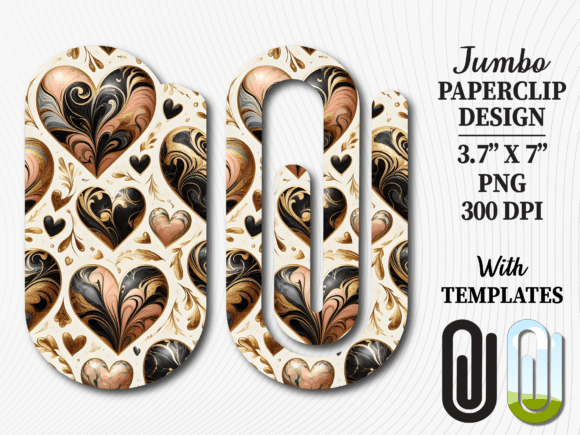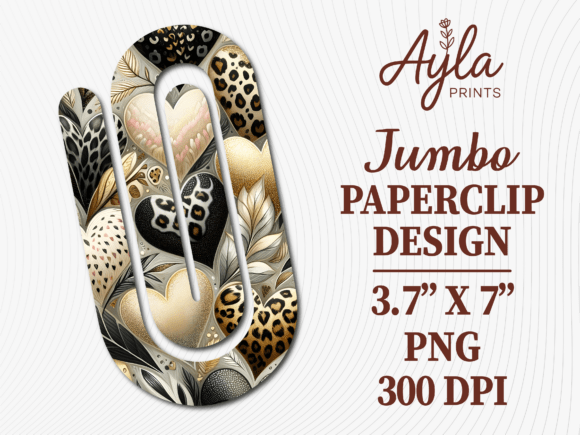
Leopard Heart Jumbo Paperclip Design
A Designer’s First Glance: Bold, Playful, and Instantly Recognizable
When I opened the Leopard Heart Jumbo Paperclip Design, my first thought wasn’t “cute” or “trendy”—it was “confident.” The shape is unmistakably a paperclip, but stretched, stylized, and softened with a heart cutout at its center. The leopard print fills that heart and spills subtly into the clip’s curves—not overwhelming, but intentional. It’s graphic enough for digital use, yet organic enough to feel handmade. As an embroidery designer who tests hundreds of graphics each season, I immediately pictured it stitched on a heavyweight cotton tote bag for a boutique gift line: playful without being childish, edgy without alienating buyers who prefer warmth over attitude.
Where This Design Truly Shines (and Where It Might Stumble)
The Leopard Heart Jumbo Paperclip Design thrives in projects where personality meets practicality. I tested it as a sweatshirt embroidery motif—centered just below the collar—and it held up beautifully. The 3.7×7 inch scale gives room for clean satin stitch definition along the paperclip’s outer edge, while the heart’s leopard pattern translated well into a balanced fill stitch layout. It worked equally well on a linen tea towel (paired with black thread on natural fabric) and as a custom embroidered patch sewn onto a denim apron. For Etsy sellers offering personalized gifts, this design adds instant charm to baby onesies—just keep the heart area away from seams and folds where stitching tension could distort detail.
That said, it’s not universally forgiving. On thin jersey or stretchy knit fabric, the long vertical form can pull or ripple if stabilizer isn’t layered thoughtfully. I’d avoid using it on curved surfaces like baseball caps unless you’re confident in your hooping technique and willing to split the design across two hoops. And while the leopard texture reads clearly in PNG, fine details—like subtle contrast shifts in the print—can blur in dense fill stitch areas. If you're planning a commercial embroidery run, test stitch density carefully; too much coverage in the heart region may create stiffness that contradicts the lightweight charm the design promises.
Real-World Fit: From Craft Fair Booth to Digital Product Shelf
Last month, I used the Leopard Heart Jumbo Paperclip Design as the centerpiece for a limited-run batch of embroidered kitchen towels sold through my small shop. Customers responded strongly—not just to the leopard motif, but to how the paperclip shape suggested utility and care (“holds things together,” one note read). That duality makes it unusually versatile: it fits holiday embroidery (think velvet stockings), wedding gifts (linen napkin sets), nursery decor (framed hoop art), and even boutique branding—say, as a stitched logo on reusable produce bags.
For digital product sellers, this design functions well as a printable mockup asset. Its clean silhouette and strong contrast make it easy to drop into lifestyle photos—coffee mugs, tote bags, pillow covers—without losing legibility. As a Graphics file, it’s ideal for hybrid makers who pair embroidery with sublimation or screen printing. Just remember: since you receive three PNGs (likely variations in orientation or background), confirm which version aligns best with your intended hoop size and fabric grain before digitizing.
What This Design Says About Your Brand—Before a Single Stitch
Using the Leopard Heart Jumbo Paperclip Design sends quiet but clear signals: your craft business values wit, approachability, and visual cohesion. It doesn’t scream “luxury,” but it does whisper “thoughtful curation.” That matters when customers scroll past dozens of handmade listings. On an Etsy page, it helps your finished product stand out—not because it’s flashy, but because it feels intentional. Buyers trust makers who choose designs with purpose, not just popularity. And because the motif walks the line between decorative and functional, it supports brand consistency across categories: apparel, home goods, and personalized gifts all feel like part of the same story.
Practical Embroidery Designer Notes You’ll Want to Keep Handy
- Always test first: Run a sample on scrap fabric matching your final project’s weight and texture—especially if using textured fabrics like terry cloth or bouclé.
- Check thread color contrast: Leopard print relies on tonal variation. Avoid low-contrast thread combos (e.g., light gray on heather charcoal) that mute the heart’s depth.
- Review stitch density: High-density fill in the heart may cause puckering on lightweight cotton. Consider reducing density by 10–15% or switching to a lighter fill stitch pattern.
- Confirm hoop size compatibility: At ~3.7×7 inches, this design likely requires a 5×7 hoop minimum—or creative repositioning for smaller frames.
- Inspect small details: Zoom in on the PNGs. Are the inner edges of the heart crisp? Any anti-aliasing blur could affect how cleanly the shape digitizes.
- Mock it in context: Drop the PNG into black-and-white mockups to assess balance and negative space. Does it hold presence on dark fabric? Does it shrink visually on oversized items like blankets?
- Stabilizer strategy: Use medium-weight cutaway for knits, tear-away for stable wovens. Skip lightweight fusibles—they won’t support the design’s length without shifting.
- Licensing check: Since this is a digital download for Crafts, verify whether commercial use is permitted before selling finished embroidered items or bundling it into your own digital embroidery file packs.
Final Thought: A Design That Works—Not Just One That Looks Nice
The Leopard Heart Jumbo Paperclip Design isn’t about chasing trends. It’s about choosing a motif that earns its place on real products—tote bags carried daily, baby clothes washed weekly, aprons worn through seasons of cooking and creating. It balances visual interest with structural clarity, and that’s rare in ready-made graphics. For embroidery designers, Etsy sellers, and craft business owners, it’s less of a “design asset” and more of a reliable collaborator—one that enhances your handmade product without demanding constant adjustment. Just give it the right fabric, the right stabilizer, and a moment of thoughtful testing. Then let it do what it does best: hold attention, spark recognition, and quietly say something warm, wild, and wholly human.