Cherry Red Fruit Pattern Jumbo Paperclip
A Designer’s First Look: Bold, Playful, and Instantly Recognizable
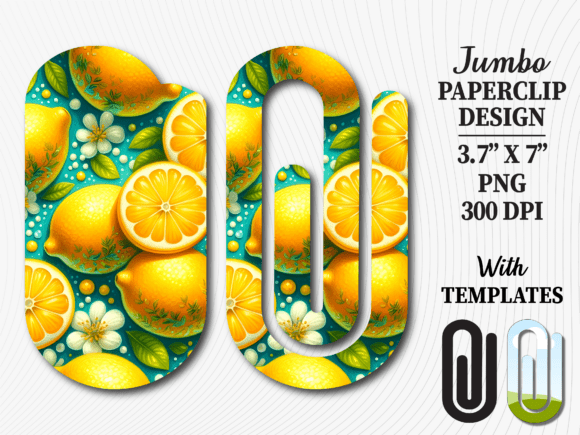
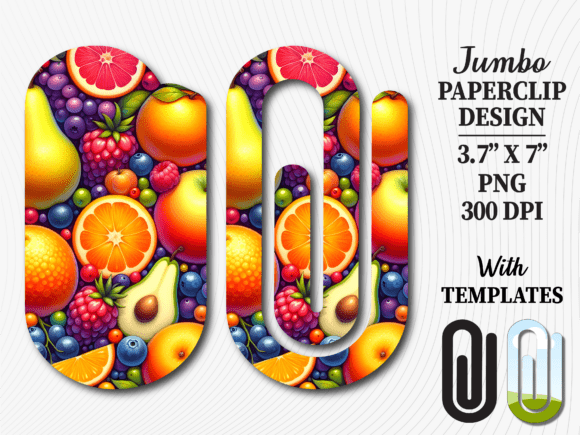
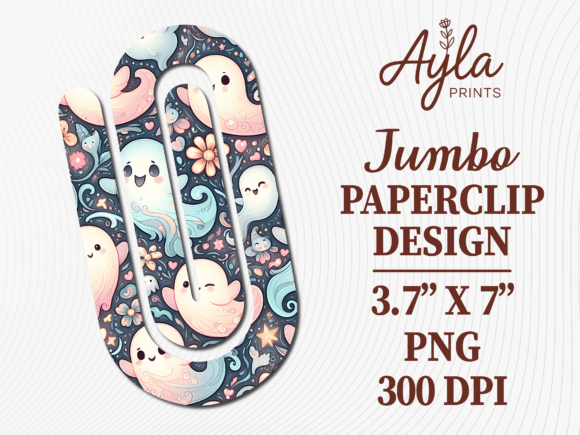
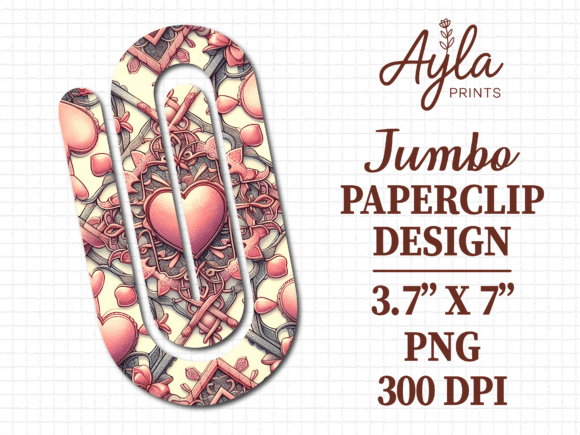
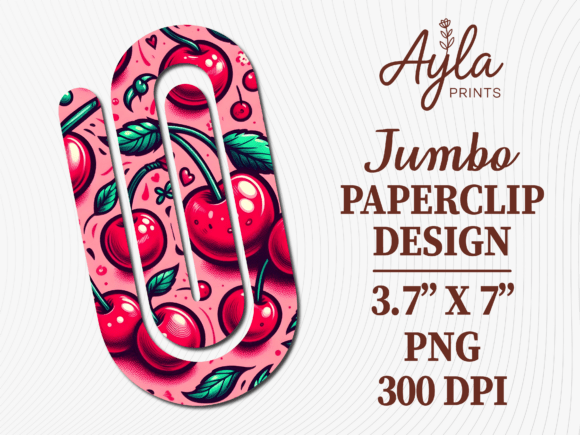
When I opened the Cherry Red Fruit Pattern Jumbo Paperclip PNG files, my first thought wasn’t “cute” — it was “confident.” The design leans into its own simplicity: a single, oversized paperclip shape filled with stylized cherries — glossy, plump, and arranged with rhythmic balance. There’s no background clutter, no ornate border, no forced whimsy. Just fruit, form, and function fused in one clean silhouette. It reads as both crafty and contemporary — perfect for makers who want handmade charm without looking dated. I immediately pictured it stitched onto a heavyweight cotton tote bag for a local farmers’ market vendor, or embroidered on the chest of a relaxed-fit sweatshirt for a small-batch apparel brand.
Where This Design Shines in Real Embroidery Projects
The Cherry Red Fruit Pattern Jumbo Paperclip thrives where clarity and character matter most. On a natural linen tea towel? Yes — the bold shape holds up beautifully at 3.7×7 inches, and the fruit motif adds warmth without overwhelming kitchen aesthetics. On a baby onesie? With careful thread selection and light stabilizing, it reads as sweet and gentle — not loud or cartoonish. As an embroidered patch sewn onto a denim jacket or canvas backpack? Absolutely. Its strong outer contour gives clean edges for satin-stitched borders, while the internal cherry shapes lend themselves well to fill stitch or subtle appliqué layering.
I tested a mockup on a midweight cotton apron — a staple for craft fairs and boutique shops — and the scale landed perfectly: large enough to be legible from across a room, but not so dominant that it crowds other branding elements. For Etsy sellers offering personalized gifts, this design works especially well for holiday embroidery (think cherry-red motifs for Valentine’s Day or summer-themed baby showers) and pairs naturally with neutral palettes — cream, charcoal, olive, or oatmeal fabrics let the fruit pop without competing.
Where Caution Is Needed — Not Every Fabric or Fit Is Equal
That said, the Cherry Red Fruit Pattern Jumbo Paperclip isn’t universally forgiving. Its size and detail demand thoughtful execution. On highly textured fabrics like terry cloth or bouclé, fine cherry highlights may blur or disappear in stitching — test on scrap first. Stretchy knits (like lightweight jersey tees) require extra stabilization and possibly reduced stitch density to avoid puckering around the paperclip’s long, curved arms. And on dark fabric? That vibrant cherry red needs high-contrast thread — don’t assume standard red thread will read clearly without testing against black or navy backgrounds.
Caps and curved surfaces are trickier. The 3.7-inch width stretches close to standard cap front hoop limits, and the paperclip’s tapering ends can distort if hooping isn’t precise. Likewise, thin fabrics like voile or rayon challis risk show-through or distortion — use cutaway stabilizer, not tear-away. If you’re planning layered garments (e.g., embroidery over a pocket or seam), confirm the design clears all seams and folds before digitizing or stitching.
What This Design Says About Your Finished Product
Used well, the Cherry Red Fruit Pattern Jumbo Paperclip elevates perceived value. It feels intentional — not generic clipart, not overdesigned, but purpose-built for makers who understand visual hierarchy and tactile appeal. Customers notice that. A hand-embroidered tote with this motif reads as curated, not mass-produced. It supports brand consistency for small shops leaning into foodie, garden, or rustic-modern themes. And because it’s rooted in a familiar object (the paperclip) reimagined with personality, it sparks recognition and conversation — a quiet differentiator in crowded markets like Etsy or local craft fairs.
Practical Notes Every Embroidery Designer Should Check
- Test before committing: Stitch a sample on your target fabric + stabilizer combo — especially if using it for commercial embroidery or client work.
- Review stitch density: Since only PNGs are included (no embroidery file), your digitizer must assess fill areas — cherries shouldn’t stitch too densely on lightweight fabrics.
- Confirm hoop compatibility: At ~3.7×7 inches, verify your machine’s max hoop size — some compact machines max out at 4×4 or 5×7.
- Inspect small details: Zoom in on the PNGs — are stem lines crisp? Are cherry highlights defined enough to translate cleanly into satin or fill stitch?
- Mock it in context: Drop the design into printable mockups on light/dark fabric swatches — does the contrast hold? Does it feel balanced on a sweatshirt chest vs. a pillow cover corner?
- Check licensing: This is a digital embroidery design asset — confirm whether the license permits commercial use of finished products or resale of digitized versions.
- Thread color strategy: Consider tonal reds (burgundy, cherry, brick) for depth, or go high-contrast with white or kelly green stems for freshness.
Final Thought: A Thoughtful Tool, Not Just a Trend
The Cherry Red Fruit Pattern Jumbo Paperclip isn’t flashy — and that’s its strength. In a landscape saturated with overcomplicated graphics and AI-generated clutter, this design offers restraint, rhythm, and real-world versatility. It fits neatly into Crafts and Graphics workflows without demanding excessive digitizing labor. For embroidery designers building cohesive collections, Etsy sellers refreshing seasonal listings, or small shop owners curating boutique merchandise, it’s a smart, scalable asset — provided you treat it like one: test it, respect its scale, and match it to the right fabric and context. Done right, it doesn’t just decorate a product — it quietly reinforces why customers choose handmade.